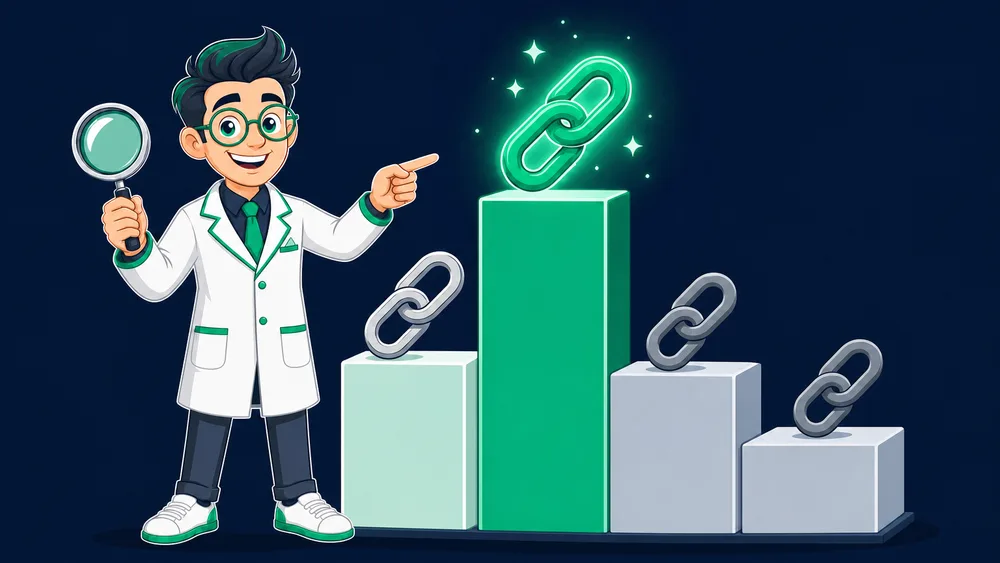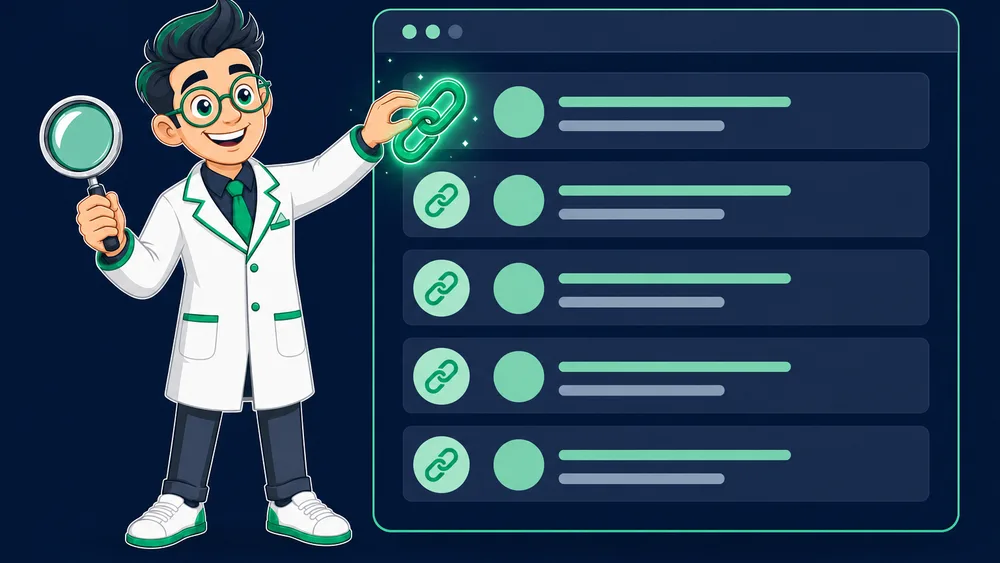
Some of the calmest, safest links you can earn come from resource pages: curated lists of the best links on a topic. A librarian’s page of “helpful SEO tools,” a university’s “further reading” list, an industry hub’s roundup. If your page genuinely belongs, you ask, and often you are added.
Here is how to find these pages, earn a spot, and why this tactic is so durable.
What you’ll learn
- What resource pages are and why they link out
- How to find relevant ones
- How to earn a spot
- Why this tactic is so steady and safe
What resource pages are
A resource page is a curated list of useful links on a specific topic, published because the curator wants to point readers to good material. They exist across universities, libraries, industry blogs, non-profits, and hobbyist hubs.
Unlike most link targets, a resource page is designed to link out. That flips the usual dynamic: you are not convincing a reluctant editor to add a link, you are offering a curator a resource that fits what they already collect. When your page genuinely earns the spot, the link is editorial in the truest sense.
How to find relevant resource pages
Search for pages that curate resources in your niche using patterns like:
- your topic plus “resources”
- your topic plus “useful links” or “helpful links”
- your topic plus “further reading”
- your topic plus inurl:resources or inurl:links
The goal is relevance. A resource page in your exact niche, on a site with a real audience, is worth far more than a generic link dump. Skip pages that list hundreds of unrelated links; those are low quality and often exist only to sell placements.
How to earn a spot
The pitch is simple because the ask is reasonable:
- Find the right page and confirm your resource genuinely fits its theme.
- Make sure your page deserves it. Resource pages link to genuinely useful pages: a guide, a tool, original data. A thin sales page will not qualify.
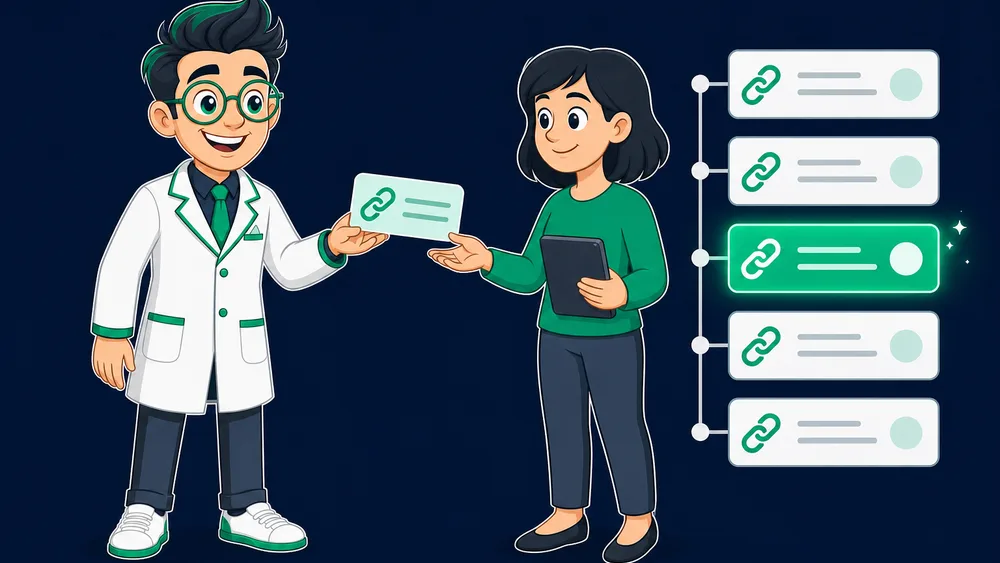
- Find the curator and email them briefly. Point to the page, say what your resource adds, and why their readers would value it.
- Make it easy. Give them the exact URL and a one-line description they can paste.
- Do not push. If it fits, many curators simply add it. If not, move on.
| Step | What good looks like |
|---|---|
| Relevance | ✓Exact-niche page, real audience |
| Your resource | ✓Genuinely useful, worth listing |
| The pitch | ✓Short, specific, easy to act on |
| Anchor | ✓Natural, usually your brand or page title |
Why this tactic is steady and safe
Resource page links rarely produce dramatic spikes, and that is the point. They are steady, relevant, and low-risk because:
- The page exists to link out, so the ask is natural.
- The links are genuinely editorial: a curator chose to include you.
- Anchors are naturally your brand or page title, not exact-match spam.
- There is no payment to a publisher, so nothing to disclose or hide.
That makes resource page outreach a reliable base layer in a white-hat program. It will not carry your rankings alone, but combined with the tactics in the editorial link building guide, it adds relevant, durable links month after month. And because it is fully white-hat, it never triggers the risks covered in what Google penalizes.
Frequently asked questions
What is a resource page?
A curated page of useful links on a topic, published so readers can find good material. Because it exists to link out, it is a natural and low-drama link target when your page genuinely fits.
Is resource page link building safe?
Yes, it is one of the safer tactics. The links are editorial, curators choose to include you, anchors are natural, and no payment is involved. There is nothing for Google to penalize.
How do I find resource pages?
Search your topic with terms like resources, useful links, further reading, or inurl:resources. Prioritize exact-niche pages on sites with real audiences over large generic link lists.
Will resource page links move my rankings alone?
Not on their own. They are a steady, low-risk base layer. Combined with linkable assets, digital PR, and expert sourcing, they add durable relevance over time.
Wrapping up
Resource page link building is the quiet workhorse of a white-hat program. The pages exist to link out, so a relevant, genuinely useful resource earns a spot without drama, payment, or risk. It will not spike your rankings overnight, but it adds steady, editorial, durable links.
Find the right pages, make sure you belong, ask simply, and move on. Repeat, and it compounds.
Want durable editorial links you only pay for if they go live? Start with a free audit. You pay upfront, and we refund any link we don’t land.