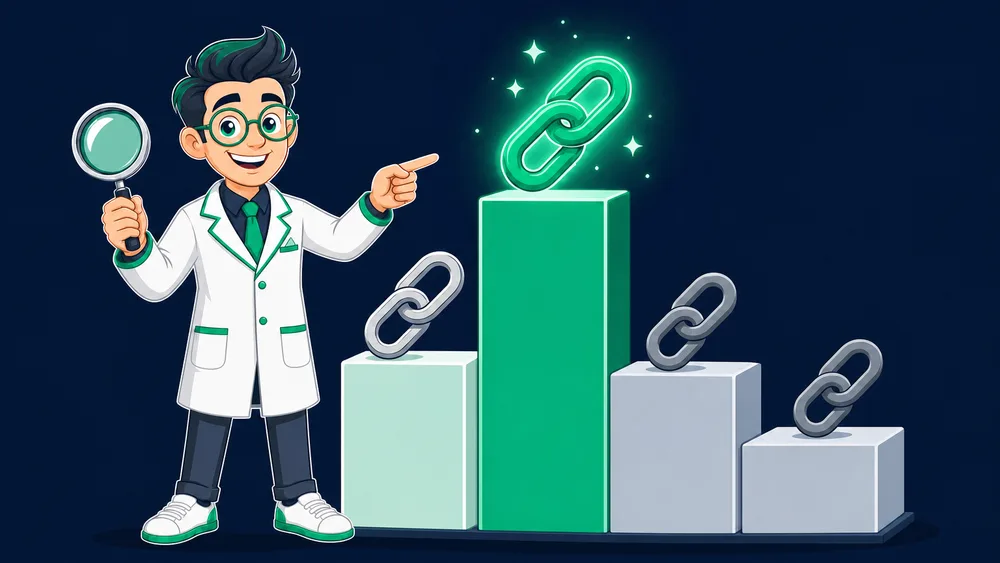
Every year or two, someone in an SEO forum posts the same panic: “a Google update tanked my rankings and I think it was my links.” Sometimes they are right. Often they misread what the update actually did.
If you are about to pay for backlinks, it pays to understand what Google’s link spam systems really target, and what they do when they find spam. Here is the plain-English version.
What you’ll learn
- What a “link spam update” actually is
- What SpamBrain does to bad links
- The difference between neutralized links and a penalty
- What this means before you buy backlinks
- How to stay on the safe side of every update
What a link spam update is
Google’s link spam policy defines link spam as links created mainly to manipulate rankings. That includes buying or selling links that pass ranking credit, excessive link exchanges, large-scale automated link building, and links from private blog networks.
A link spam update is when Google rolls out or strengthens the systems that detect those links. The December 2022 link spam update was the notable one: it expanded the use of SpamBrain, Google’s AI-based spam-detection system, to find and neutralize link spam at scale.
What SpamBrain does to bad links
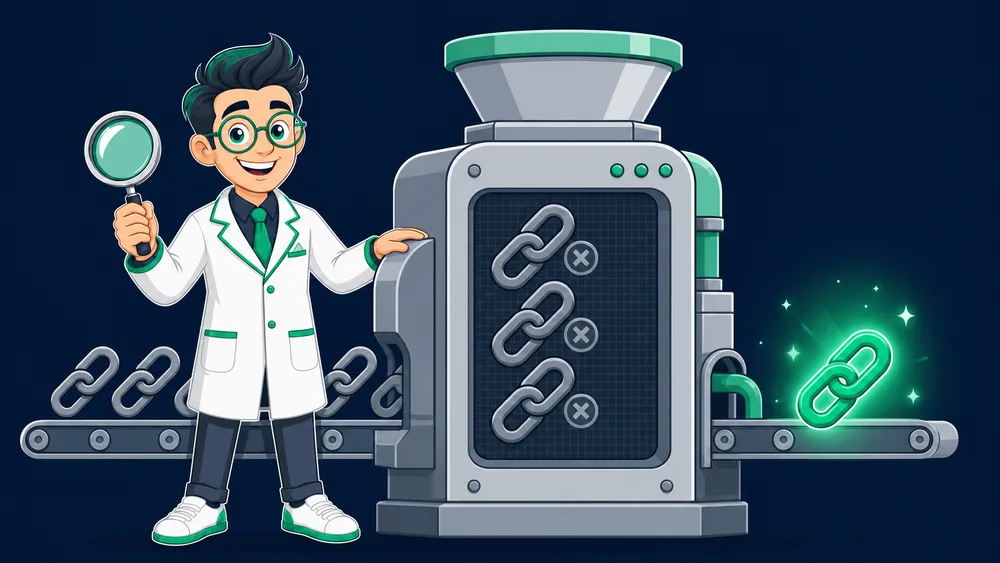
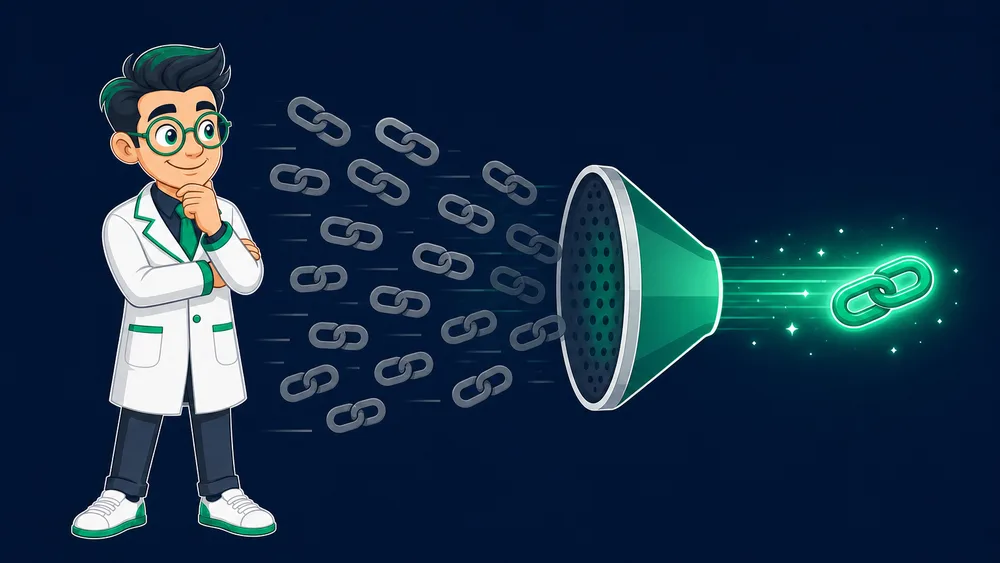
This is the part buyers get wrong. When SpamBrain identifies spammy links, Google’s default action is to neutralize them, not to hand out a penalty. The links stop passing any ranking value. They simply do not count.
That changes the math on cheap links. If you buy fifty low-quality links and Google neutralizes them, you did not get penalized, but you also got nothing. You paid for ranking signal that was switched off on arrival.
Neutralized links vs a manual action
There are two very different outcomes, and confusing them causes a lot of bad decisions.
| Signal | Editorial / safe links | Link spam |
|---|---|---|
| How Google treats it | ✓Counts as a ranking signal | ✕Neutralized, or penalized at scale |
| Visible warning | ✓None needed | ✕Manual action in Search Console (sometimes) |
| Effect on rankings | ✓Gradual, durable lift | ✕No lift, or a drop if penalized |
| Recovery | ✓Not needed | ✕Remove or disavow, then reconsideration |
A manual action is the serious case: a human reviewer at Google flags a pattern of unnatural links, and you get a notice in Search Console. That is when rankings actually drop and you have to clean up. It usually takes an obvious, deliberate pattern to get there, not a handful of mediocre links.
What this means before you buy
Two practical takeaways for anyone about to pay for links:
- Cheap links are rarely a bargain. The most likely outcome is not a penalty, it is neutralization, which means you paid for nothing. See how much backlinks really cost.
- Scale is what turns risk into damage. One questionable link is noise. A hundred exact-match, paid, undisclosed links is a pattern, and patterns are what earn manual actions.
The buyers who stay safe are not the ones who avoid paying for links. They are the ones who only pay for links that would count anyway: editorial placements on real, relevant sites. That is the whole idea behind buying backlinks safely.
How to stay on the safe side
- Favor relevance and real audiences over raw volume.
- Keep anchor text mostly branded and contextual, not exact-match.
- Disclose paid placements with
rel="sponsored"where they are genuinely paid. - Avoid link networks and farms, and anything sold by the hundred.
Do that and Google updates become a non-event. There is nothing to neutralize and no pattern to flag.
Frequently asked questions
Will a Google link spam update penalize my site for buying links?
Usually not directly. Google's systems most often neutralize spammy links, meaning they stop counting. A penalty (manual action) generally requires an obvious, large-scale pattern of manipulative links.
What is SpamBrain?
SpamBrain is Google's AI-based spam-prevention system. Since the December 2022 link spam update, it is used to detect and neutralize link spam at scale.
How do I know if a link spam update hit me?
Check Search Console for a manual action notice. If there is none and rankings still fell, it is more likely a core update or that previously counted links were neutralized.
Can I recover from a link penalty?
Yes. Remove or disavow the offending links, then submit a reconsideration request if it was a manual action. Recovery is possible but slower than never earning the penalty.
Wrapping up
Google’s link spam updates are less scary and more wasteful than the panic suggests. Most bad links are quietly switched off, not punished, so the everyday cost of cheap link buying is money spent on signal that never counts. Buy links that would count on their own merits, and no update has anything to act on.
Want links built to survive every update? Start with a free audit.